
I often come across outdated travel advice for Paris in online groups—advice that stubbornly persists, despite being years out of date.
France is proud of its traditions, but even here, things have changed dramatically over the past 10–15 years. As someone who’s lived in Paris since 2006, I’ve seen these changes firsthand.
Take the claim that “nobody speaks English,” for example. Back then? Fair enough. Now? Totally different story. Yet, this kind of advice still circulates, confusing travelers and keeping them from enjoying the real Paris of today.
So, in this article, I’m setting the record straight. Let’s clear up the most persistent myths and outdated travel tips about Paris that simply don’t hold true in 2026.
Outdated Paris Travel Tips You Need to Stop Following in 2026
Here’s a list of outdated Paris travel tips that no longer apply—and what you should do instead in 2026.
#1 Avoid Paris in August
➤ Also read: The Best Month to Visit Paris: A Month-by-Month Guide
This myth refuses to die, and honestly? It’s time to let it go. August is actually a wonderful month to visit Paris. Yes, things are calmer because many locals head out for vacation, but closed? Absolutely not—especially not in the center.
All sights and landmarks remain open, and while a some smaller bakeries, shops, or restaurants might close, there are plenty of alternatives. You’ll never struggle to find a spot to grab a croissant or a delicious meal.

In August, there are also fewer Parisians, which means fewer commuters, less rush hour chaos, and fewer people rushing from A to B. The streets feel quieter, giving the city a slower, more relaxed rhythm. That said, you’ll notice more tourists, but even that adds to the festive summer vibe.
In fact, August is one of my favorite months in Paris.
The city feels laid-back, and there’s a relaxed energy that’s hard to beat. Plus, there are amazing events like Rock en Seine or Paris Plage, where the banks of the Seine transforms into a sea side promenade.
It’s as if Paris takes a collective deep breath and slows down—perfect for exploring without the usual hustle and bustle.

#2 Tipping is Not Required Because Service is Included
➤ Also read: Tipping in Paris: How to Do it Right (+cheat sheet)
Yes, service is included in Paris, but that doesn’t mean tipping doesn’t exist—it’s just different from what many tourists are used to. Unlike in the US, Parisian waiters earn a normal salary and don’t depend on tips to make a living.
That said, there is a tipping culture here, but it’s subtle. Leaving 25% of the bill as a tip? Please don’t. Ever. It’s unnecessary and disrupts local norms.
In Paris, tipping typically means leaving the change on the table, rounding up to the next €5, or adding around 5%.
💡 Tip: bookmark my Paris Tipping Calculator to have it handy in Paris

If you’re dining in a fancier restaurant and the service was outstanding, leaving up to 10% is generous and appreciated. Anything beyond that? Absolutely no. Save your extra euros—it’s not expected and It’s just not how things are done here.
For about a year now, you might notice a suggested tip option when paying by card—it’s the strangest thing and completely out of line with local customs. A restaurant owner once told me it’s preset by the payment system provider, and they can’t change it. Is that true? I’m not sure, but either way, it’s bizarre and feels out of place in Paris.
#3 Don’t speak English, They’ll Hate You
I often hear people say they were treated poorly in Paris because they spoke English or looked “too much” like tourists.
I’m genuinely sorry for anyone who’s had a bad experience, but let me tell you: it likely wasn’t because they spoke English.
French is my third language, and I have an unmistakable accent. I didn’t even start learning it until years after moving here. Yet, I’ve never been treated badly for speaking English. So, I dare to say the issue lies elsewhere—likely in cultural differences.

Were they too loud? Forgot to say bonjour before asking for something? Tried to change items on the menu or split a meal? Sat down without waiting to be seated? Or maybe it’s because they didn’t even try to speak a few words of French.
Even a simple bonjour or merci shows effort and makes a huge difference.
Now, if you’re traveling in the countryside, you might encounter some resistance to English, —but rest assured, they don’t love Parisians either. In fact, they might dislike Parisians even more.
It likely wasn’t personal—just a grumpy waiter having a bad day. In Paris, customer service follows different rules than in many other places. Waiters here earn a salary and aren’t reliant on tips to make ends meet, so they can afford to be grumpy if they want.
Being overly cheerful isn’t a requirement, and sometimes, their mood simply has nothing to do with you.

#4 Nobody in Paris Speaks English
This is another outdated myth that’s changed massively over the past 15 years. Back then? Sure, not many people spoke English. But today, that’s no longer the case—especially in tourist areas, hotels, and popular restaurants.
English is everywhere now, and you won’t have trouble being understood. Sure, it might not always be flawless, and you might need to repeat yourself or simplify a bit, but it will work out.
The key is effort. It goes both ways. A simple bonjour paired with a friendly smile can unlock surprising English skills in the French.
Even if their English isn’t perfect, they’ll often try their best if they see you’re being polite and respectful.

#5 French People Are Rude
First things first: they’re not. In fact, it’s often quite the opposite. French people hold themselves to a high standard of etiquette and manners.
This means saying bonjour before starting a conversation. Using s’il vous plaît when making a request, being discreet in public, and not taking up too much space. Also, apologizing immediately if they accidentally bump into someone or get in their way.
These habits sometimes clash with customs from other countries, leading to misunderstandings. What might feel like rudeness is often just a response to a cultural difference, that in on one way or another came across the wrong way.
The same goes for restaurants. A waiter who isn’t hovering over you or rushing to bring the bill isn’t being rude. It’s actually considered respectful in France to let diners enjoy their meal undisturbed. When you’re ready, politely call the waiter’s attention with a simple s’il vous plaît, and they’ll assist you.
So no, the French aren’t rude—they just have a different way of doing things. Once you adjust, you’ll see it’s not about rudeness at all, but about valuing subtlety and respect.

#6 The Best Views are From the Eiffel Tower
➤ Also read: These Are the 14 Most Exceptional View Points in Paris
Actually, it’s one of the worst views in Paris—if there’s even such a thing. Why? Because the Eiffel Tower is the most iconic part of the Paris skyline, and it’s the one thing you don’t see when you’re standing on it.
Sure, the view from the top is impressive, and you’ll see Paris stretched out before you, but the city’s most famous landmark is missing.
For a view that includes the Eiffel Tower in all its glory, head to better vantage points like the Montparnasse Tower, the Arc de Triomphe, or even the Tour Saint-Jacques. These spots give you sweeping panoramas with the Eiffel Tower taking center stage.
It’s not that the Eiffel Tower view isn’t beautiful—it’s just incomplete.

#7 Don’t wear Sneakers
➤ Also read: Best Walking Shoes for Paris: 2026 Guide
This is one of the most persistent pieces of false travel advice about Paris. The truth? Everyone wears sneakers. All ages, all styles.
In fact, sneakers have become a staple in Parisian fashion over the past few years. From high-end designer sneakers to classic athletic brands, they’re everywhere. You’ll see them paired with everything—jeans, dresses, even tailored suits.
To be honest, you barely see anything else these days. Stylish, comfortable sneakers are not just practical for a city where you’ll walk a lot—they’re completely normal. So don’t stress about your footwear. Just make sure they’re clean and simple for that Parisian effortless look.

#8 Dress Formally to Blend in
Don’t, unless you want to. Parisians might dress a bit better on average than in some other places, but formal? Not at all, especially not during leisure time.
Look around, and you’ll see most people wearing jeans, sneakers, and a casual shirt. Some add a touch of style with nice accessories, while others go for a sporty or laid-back look. There’s no pressure to dress formally—wear whatever makes you feel good.
The key difference? Parisians tend to look more put together. Comfort isn’t everything here, but it doesn’t mean sacrificing it either. You can be stylish and comfortable without being overly formal. Just aim for clean, well-fitting clothes, and you’ll fit right in. (Or wear just what ever makes you feel good)

#9 Montmartre is Dangerous at Night
➤ Also read: Is Montmartre Safe? A Local’s Perspective
I see this question come up often, and honestly, I wonder where it comes from. Montmartre isn’t dangerous at night.
It’s true that Pigalle, the nearby red-light district, can feel a bit sketchy, but even there, “dangerous” would be an overstatement. Montmartre itself is as safe as the rest of Paris. In fact, many parts of Montmartre are quite residential. Late at night, the area tends to be quiet, with little happening beyond locals heading home or tourists finishing their dinners.
That said, some areas close to Montmartre—like Barbès and Château Rouge—can feel less comfortable for visitors, especially after dark. While they’re not necessarily unsafe, they’re not the best places to wander late at night. Stick to Montmartre’s heart, and you’ll be perfectly fine.

#10 You’ll Need Cash
This advice is outdated. Except for a few market stalls or street vendors, everyone accepts credit cards in Paris. I even pay for my baguette (yes, for €1.20) with a credit card—it’s completely normal.
Contactless payments, including Apple Pay, are widely used and accepted everywhere, from bakeries to high-end boutiques.
It’s true that some taxi drivers might claim their card machine is broken, but this is not legal and certainly not the norm. Most taxis accept cards without issue.
If you’re bringing a credit card, just make sure your card company knows about your trip. Otherwise, they might block your card, suspecting fraud. Also, check whether your card has free international payments—some cards add hefty fees.
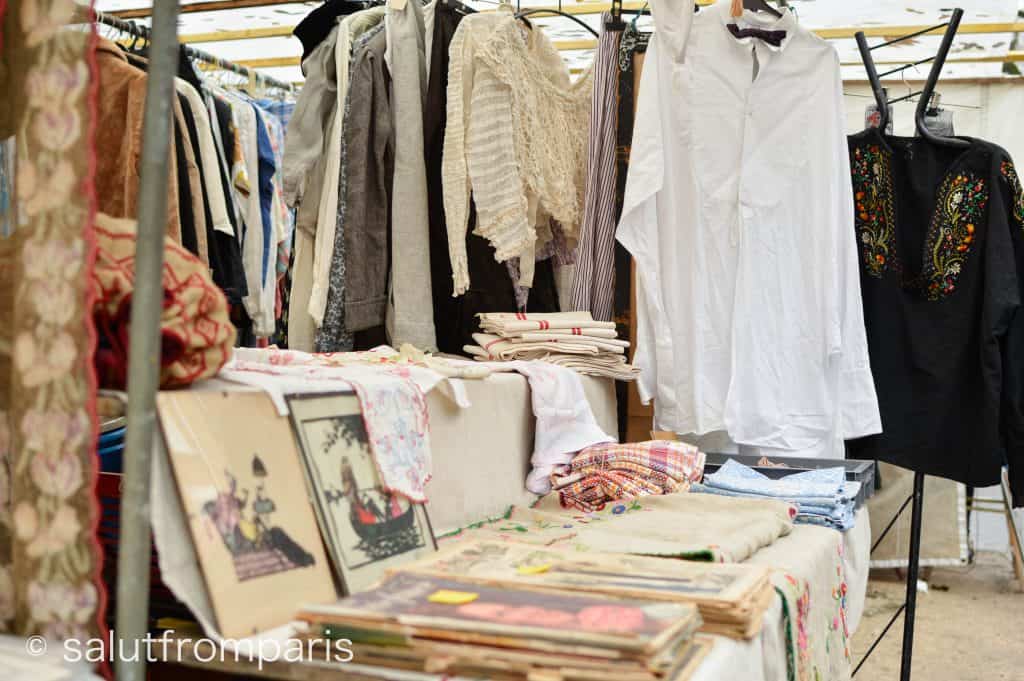
If you feel more comfortable with some cash, bring a few coins for small tips or street markets. But even then, you can add tips directly when paying by card. And remember, tipping more than 10% is unnecessary—anything above that is over the top for Paris.
#11 Dress in Black
No, you don’t have to dress in black. While it’s true that wearing black can make dressing up easier and gives a classy vibe, it’s not a rule.
Parisians do tend to favor muted colors—think black, white, navy, and grey—but that doesn’t mean the city lacks color. In summer, you’ll see plenty of floral dresses, colorful shirts, and light, breezy outfits.
There’s no strict dress code. If you love wearing bright or bold colors, go for it. Paris is about expressing your style, not following outdated fashion myths.

#12 Don’t Use the Metro
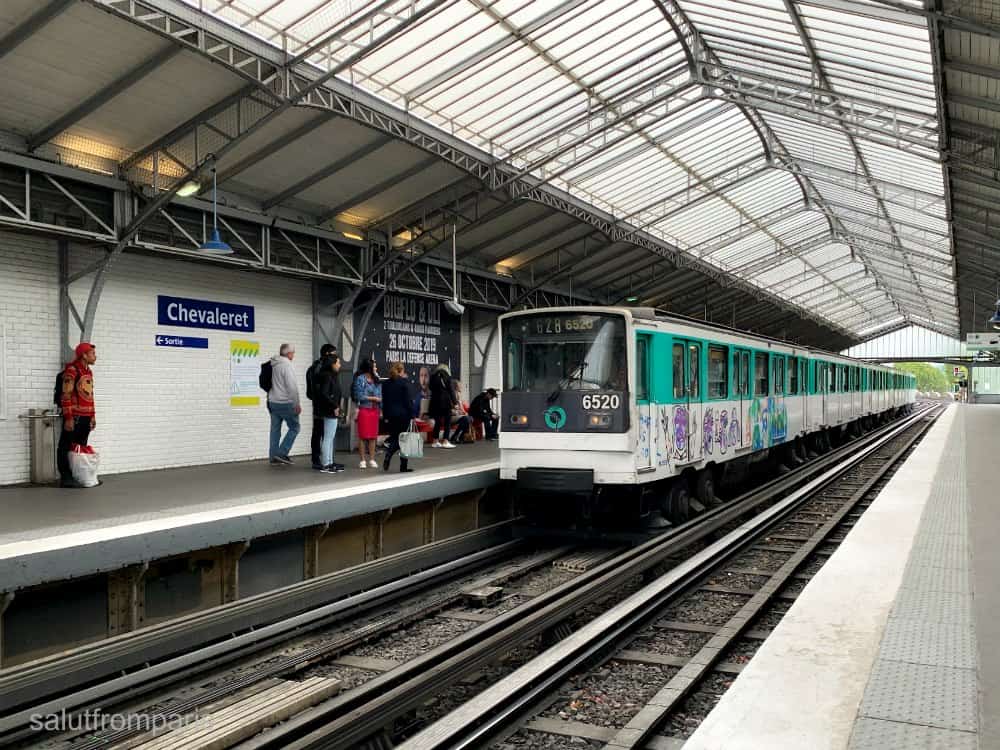
Some sources claim you should avoid the Metro because it’s confusing, complicated, or dangerous for tourists. It’s not.
Take 5 minutes to familiarize yourself with the basics, read my article (insert link), and you’ll be good to go. The Metro is actually very intuitive and follows straightforward rules.
More importantly, it’s the best way to get around Paris. It’s the quickest, most affordable, and easiest option. Whether you’re heading to iconic landmarks or exploring hidden gems, the Metro is a reliable and efficient travel companion. Don’t let outdated advice stop you from using it.
#13 Don’t wear Jeans
I’m including this because I just saw someone post this concern in a Facebook group today: don’t wear jeans in Paris. And honestly, I can’t help but wonder—what else would you wear?
Maybe decades ago Paris was full of elegant ladies in pencil skirts and high heels, but in 2026? Everyone wears jeans. It’s the most common item of clothing you’ll see on the streets.
Of course, I still pack a pair of black pants or something slightly fancier for evenings out at more exclusive restaurants or bars. But for everyday exploring? Jeans are absolutely fine—and probably what most Parisians are wearing too.

Final Thoughts: Paris in 2026
Paris is a city that evolves while holding onto its timeless charm. Many outdated travel tips linger, but they often reflect a Paris that no longer exists. The reality? Paris in 2026 is modern, dynamic, and more adaptable to visitors than ever.
From contactless payments to sneakers and jeans, the city embraces practicality and comfort while keeping its unique sense of style. And with a little effort—like saying bonjour or understanding cultural nuances—you’ll find the French anything but rude.
So, forget the myths and enjoy Paris for what it truly is today: a city that welcomes travelers ready to experience its blend of tradition and modernity. Let go of the outdated rules and just immerse yourself. Paris will meet you where you are.
Want more Paris recommendations? Here’s my free Google Map with 200+ spots 🗺️
À bientôt,
Lena

Parisienne since 2006 🇫🇷
Sharing Paris life, French culture, cafés, food & honest travel tips
Join me on Facebook for updates and news about Paris.
NEW: The Salut from Paris Travel Guide:


Must-Haves for Paris:
- eSim card to stay online while in Paris. I used Airalo for my travels.
- You likely need a travel adapter to plug your devices.
- Travel Insurance – if you don’t have one, VisitorsCoverage is a good option.
- If your flight is delayed or even canceled, use AirHelp to get compensation.
Tours & Attractions:
- I book tours & activities through Get Your Guide or Viator.
- Museum & Landmark tickets can be cheaper on the official page, but they are often sold out.
- I love the GoCity Travel Passes for easy planning
Flights & Transportation:
- I use Omio to compare flight fares & connections
- Airport transfers I book through Welcome Pickup
- For car rentals, I use AutoEurope. It’s easy to compare prices
- Train Tickets, you can book through Omio
- Here’s my Parisian Metro Guide
Accomodation:
- Hotels in Europe I mostly book through Booking.com (check reviews carefully)
- Vacation Rentals through Airbnb or VRBO